 Back
Back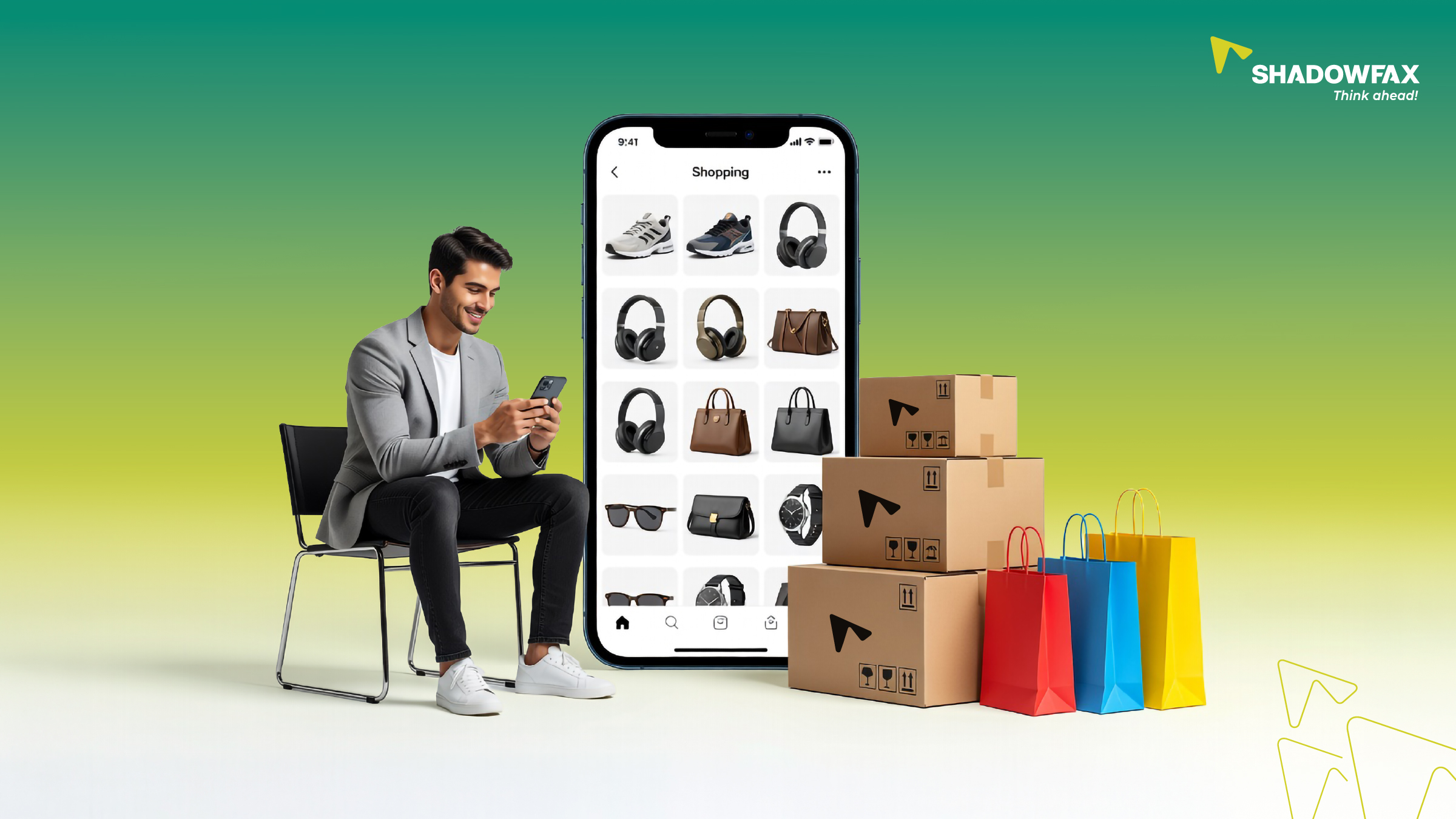


A few years ago, running out of supplies at night meant waiting until morning. But now platforms like Blinkit, Zepto, and Instamart deliver essentials in minutes through their dark stores.
This shift has transformed how India shops. As consumers increasingly demand instant gratification, quick commerce has exploded from a niche service to a mainstream expectation.
India's quick commerce market hit ₹64,000 crore in 2025 and is projected to reach over 60 million users by 2029, driven by urban consumers who expect convenience and instant service.
How does this ultra-fast delivery work? What happens from order placement to the doorstep? And what challenges do businesses face in maintaining this pace?
This guide breaks down the mechanics of quick commerce, the operational hurdles, and how the model is reshaping retail and consumer behavior in 2026.
Quick commerce (Q-commerce) is an ultra-fast delivery model that brings groceries, medicines, personal care products, and daily essentials to consumers' doorsteps in 10 minutes to 1 hour.
Unlike traditional e-commerce, which relies on centralized warehouses and multi-day shipping, quick commerce operates through small, hyper-local dark stores strategically placed across urban areas.
These micro-fulfillment centers stock high-demand items and fulfill orders within a 2-3 km radius, enabling near-instant delivery.
The model gained momentum during the COVID-19 pandemic when consumers needed contactless, immediate access to essentials. But what started as a crisis solution has become a permanent fixture of urban life.
Today's consumers, pressed for time between work and personal commitments, prioritize convenience over everything else. Quick commerce eliminates the need for planned shopping trips or waiting days for deliveries, making instant access the new normal in modern urban living.
Traditional E-commerce operates from large centralized warehouses with global supplier networks, delivering products across nationwide or global regions in 1-7 days with multi-warehouse logistics coordination.
Quick Commerce operates on dark stores and hyper-local fulfillment centers strategically placed in urban areas, delivering within 10-60 minutes using optimized micro-logistics and nearby fulfillment locations.
Traditional E-commerce offers a wide variety of products, including electronics, fashion, home appliances, books, and furniture, catering to diverse customer needs with thousands of options.
Quick Commerce focuses on curated, high-demand daily necessities, such as groceries, medicines, beverages, and snacks. Stock fast-moving essentials that customers need immediately rather than extensive product catalogs.
In traditional e-commerce, shoppers browse leisurely, compare prices and reviews, and make deliberate purchasing decisions. They prioritize variety and value over speed and are willing to wait days for delivery.
In Quick commerce, customers act on impulse or urgent needs, placing orders when they run out of essentials or need items immediately. They prioritize instant availability over extensive choice and comparison.
Traditional E-commerce serves larger, planned purchases like smartphones, furniture, or bulk household items. Customers shop less frequently but spend more per transaction.
Quick Commerce serves small, frequent orders like milk at midnight, medicine during illness, and forgotten cooking ingredients. Customers order multiple times per week with lower average order values.
Traditional E-commerce uses advanced search engines, recommendation algorithms, and sophisticated logistics systems. Supports scalable operations with a nationwide or global presence.
Quick Commerce leverages AI-powered instant delivery tracking, route optimization, and demand forecasting. Operates in limited geographies, focusing on high-density urban areas for instant gratification.
Traditional E-commerce: Amazon, Flipkart, eBay, Myntra
Quick Commerce: Zepto, Blinkit, Swiggy Instamart
Key Difference: Traditional e-commerce serves deliberate, research-driven shoppers who plan and wait for variety. Quick commerce serves spontaneous consumers who are seeking fast delivery without much planning.

Q-commerce delivers products in minutes through a streamlined process designed for speed and efficiency:
When a customer places an order, the system instantly routes it to the nearest dark store with available stock. This ensures the fastest possible fulfillment by minimizing travel distance.
Staff at the dark store pick items in under 3 minutes from strategically arranged shelves. High-demand products are positioned within arm's reach to maximize picking speed and accuracy.
A delivery partner in the same zone receives the order through dynamic routing. The system considers real-time traffic conditions and distance to assign the most efficient courier.
Machine learning models continuously work in the background, adjusting inventory levels, predicting demand patterns, and optimizing delivery routes to maintain speed and reliability.
The delivery partner completes the order, often handling multiple deliveries per hour to maximize efficiency and keep delivery costs manageable.
These are some critical features of quick commerce that you must take into consideration;
Q-commerce delivers orders in 10 to 60 minutes, with most arriving within 15 to 20 minutes. This speed transforms shopping into an instant solution for immediate needs, eliminating the wait times of traditional e-commerce.
Compact fulfillment centers (2,000-5,000 sq ft) strategically placed in residential areas. These facilities have no customer access and are designed exclusively for efficient picking and dispatch operations.
Platforms stock only high-demand essentials: groceries, medicines, and personal care, rather than millions of products. This curated approach reduces picking time, accelerates inventory turnover, and simplifies warehouse operations.
Systems provide live stock visibility across all dark stores with automated replenishment initiated by demand patterns.
Machine learning algorithms dynamically assign deliveries based on delivery partner location, real-time traffic conditions, and order density.
Orders typically include 3-5 items for immediate needs rather than bulk shopping. Customers order frequently, often multiple times per week, making demand easier to predict and inventory easier to manage.
Each dark store operates within a defined 2-3 km service radius. Enables faster deliveries, localized demand forecasting, and lower last-mile costs.

As demand for instant delivery grows, several platforms now lead India's quick commerce market by enabling fast, efficient fulfillment for businesses and consumers alike. The major players include Zepto, Blinkit, Swiggy Instamart, & BigBasket's BBNow, each bringing distinct operational strengths to the market.
By leveraging these platforms, companies can enhance their service offerings and meet evolving consumer expectations in an increasingly competitive market.
Quick commerce presents unique operational challenges for businesses aiming to deliver products within minutes. Managing rapid delivery, fluctuating demand, and real-time inventory requires robust logistics infrastructure and advanced technology. Understanding these challenges and their solutions is essential for companies looking to succeed in this competitive space.
Delivering orders within minutes requires an efficient logistics network that can adapt to real-time conditions. E-commerce companies often struggle with route optimization and fleet coordination in dense urban areas where traffic congestion creates significant constraints. Implementing smart routing systems and dynamic dispatch technology improves delivery times by identifying optimal paths and adjusting routes as conditions change.
Shadowfax addresses these through comprehensive, quick commerce delivery solutions. Our flexible rider fleet and hyperlocal network ensure consistent coverage during peak demand.
Quick commerce relies on having the right products available at the right locations to meet customer expectations. Businesses require precise inventory tracking to prevent stockouts that lead to lost sales or overstocking that increases costs. By implementing demand forecasting technology and automated replenishment processes, companies can accurately predict requirements and ensure popular items remain in stock.
Coordinating orders from placement to delivery requires seamless workflow management to maintain the quick commerce promise of speed. When picking, packing, and handoff steps operate independently, inefficiencies compound, creating delays that impact customer satisfaction. Automated workflow systems address this by integrating operations, ensuring smooth coordination and consistent efficiency across all fulfillment locations.
Sudden spikes in demand during promotional events, holidays, or seasonal peaks can overwhelm quick commerce operations if businesses aren't prepared. Companies can manage these challenges by using predictive analytics to analyze historical sales data and event calendars to forecast demand spikes in advance, enabling them to proactively adjust inventory levels and delivery resources.
Quick commerce depends on reliable last-mile delivery to meet customer expectations. While technology and dark stores form the foundation, delivery networks ultimately determine whether platforms can consistently fulfill their speed promises.
Shadowfax provides the logistics infrastructure built specifically for quick commerce. Operating across 950+ cities with 15,100+ PIN codes, we deliver the speed, flexibility, and reliability that quick commerce businesses need to scale.
From forecasting to final delivery, Shadowfax helps platforms scale operations without compromising service quality. Learn more about our quick commerce delivery partner solutions.
Conduct market research, set up dark stores in dense urban areas, stock fast-moving essentials, build reliable logistics infrastructure, and implement real-time tracking technology.
Groceries, dairy, medicines, snacks, beverages, and baby products. These are lightweight, high-frequency purchases that are urgently needed.
Quick commerce in India is rapidly becoming profitable as companies scale operations and improve efficiency. Shadowfax helps businesses reduce delivery costs and improve profitability through optimized logistics and flexible networks.
Hash Tags :
#shadowfax #quickcommerce #qcom #qcommerce #retailbusiness #business #10minutesdelivery #fastdelivery #instantdelivery #30minutesdelivery #60minutesdelivery #1hourdelivery
Related Blogs