 Back
Back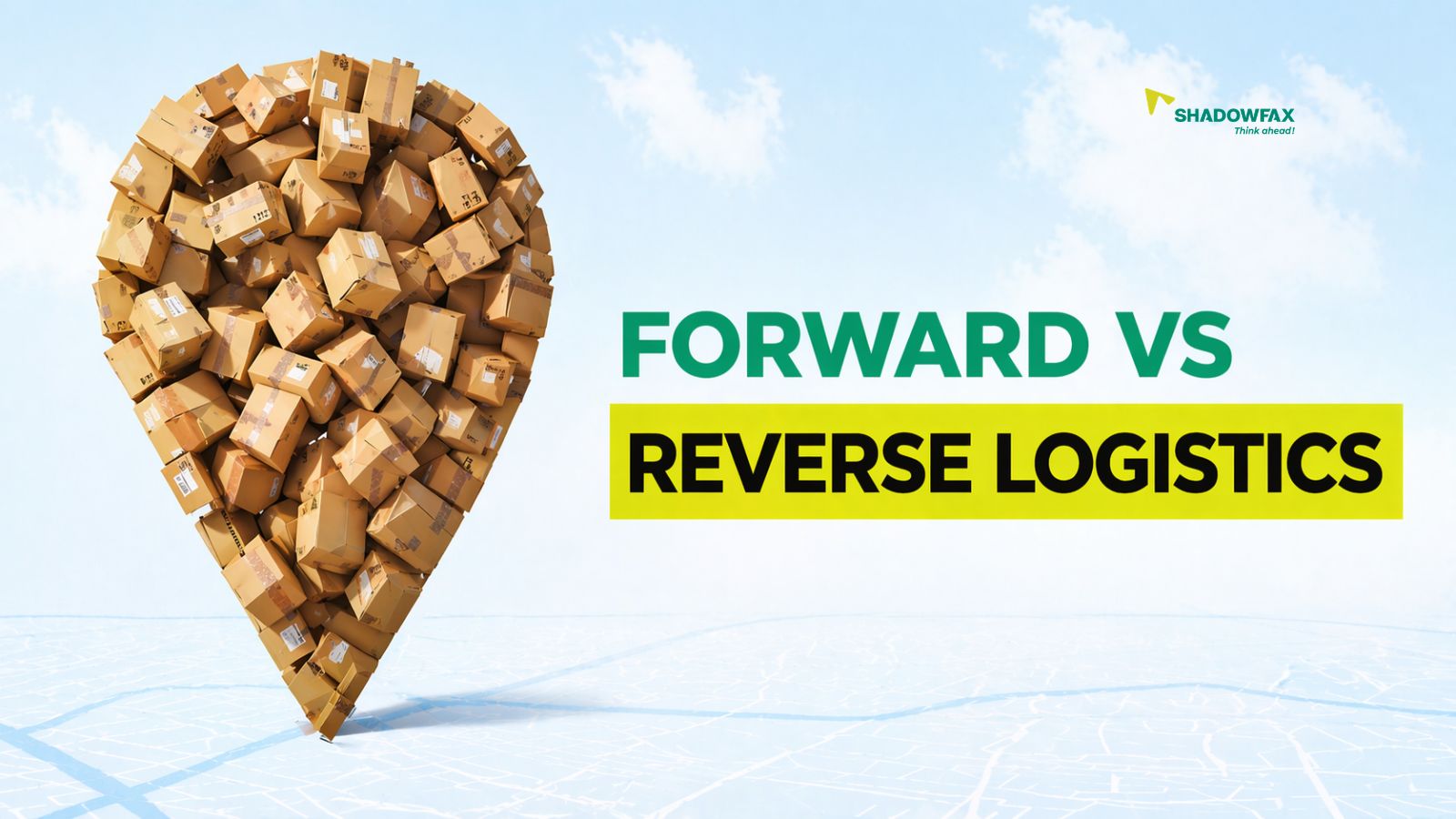


India's e-commerce logistics market is projected to grow from USD 4.42 billion in 2025 to USD 7.85 billion by 2030. Returns remain a major challenge, with 17.6% of all orders being returned, and even higher in categories like fashion and footwear.
The solution lies in treating both forward and reverse logistics with equal operational rigour. Brands that build structured systems for both running leaner, retaining customers better, and scaling without absorbing unnecessary costs.
This article breaks down what forward and reverse logistics mean, how they differ, and why getting both right is essential for e-commerce success in India.
Forward logistics refers to the movement of goods from the seller or manufacturer to the end customer. It includes order fulfilment, warehousing, and last-mile delivery.
Reverse logistics refers to the movement of goods from the customer back to the seller or manufacturer due to returns, failed deliveries (RTO), recalls, or end-of-life handling.
The two processes mirror each other in direction but differ sharply in purpose, predictability, and cost structure. Forward logistics is planned and demand-driven. Reverse logistics is reactive and supply-driven, making it harder to manage.
In India, high Cash on Delivery (COD) usage and frequent delivery failures make reverse logistics a regular operational challenge rather than an exception.
In Indian e-commerce, where delivery speed influences purchase decisions and customer expectations continue to rise, forward logistics is the operational backbone of every successful brand. How efficiently a business moves products from warehouse to doorstep determines its cost structure, its service quality, and ultimately its growth.
Reverse logistics in e‑commerce manage the backward flow of goods. When companies manage this process well, they protect margins and customer trust.
For businesses looking to protect margins, a reliable reverse logistics partner with doorstep quality checks and rapid inventory reintegration is essential.
While forward and reverse logistics are often managed as separate operations, they are deeply interdependent. Breakdowns in forward logistics, such as a wrong item shipped, inadequate packaging, and inaccurate product descriptions, directly inflate reverse logistics volume. The table below captures the key differences across each operational dimension.

Most D2C and e-commerce brands in India invest heavily in forward logistics but treat reverse logistics as an afterthought. Addressing both together is what separates high-performing operations from those that bleed margin silently.
Brands that optimise only one side of the supply chain either lose customers through poor delivery experiences or bleed margin through uncontrolled return costs. In the Indian e-commerce landscape, where COD penetration is high and customer expectations around speed continue to rise, managing both forward and reverse logistics efficiently is critical.
Shadowfax has delivered over a billion parcels across 15,100+ PIN codes, supported by proprietary technology that addresses the two most common causes of logistics failure. Shadowfax Maps uses AI to correct address errors before they cause failed deliveries, while Shadowfax Shield detects fraudulent returns and fake orders before they erode margins. On the reverse side, doorstep quality checks and instant refunds ensure that returns are processed with the same efficiency as forward dispatch.
Whether you are scaling a D2C brand, managing high-volume COD shipments, or working to bring RTO rates under control, Shadowfax brings the network, technology, and operational depth to support both directions of your supply chain. Learn more about how Shadowfax's e-commerce delivery services operate across India.
A D2C brand receives an order, picks and packs it at the warehouse, and ships it via a delivery partner. It covers storage, order systems, carrier handover, and delivery confirmation, including zone pricing and PIN code serviceability.
A common case is when a customer returns a wrong-size apparel item, which is picked up, inspected, and added back to inventory. Other examples include COD refusals (RTOs) or defective electronics recalls. In India, RTO-driven reverse logistics is especially significant.
Reverse logistics usually costs two to three times more than forward logistics. Returns involve pickup, transit, inspection, and sorting, but generate no revenue. Many items cannot be resold at full price. Categories like fashion and electronics face high return rates, making reverse logistics a key cost challenge.
Returned items take time to be inspected and relisted, creating false stockouts and delayed dispatch. Brands must hold extra safety stock, which raises costs and complicates fulfilment commitments, thereby directly affecting the efficiency of forward logistics.
A reliable 3PL partner like Shadowfax handles both forward and reverse logistics under one roof. For Indian e-commerce, this means simpler vendor management, better visibility, and return insights that directly inform planning.
Hash Tags :
#shadowfax #forwardlogistics #reverselogistics #logistics #supplychain #ecommerce #3pl #fastdelivery #returnparcel
Related Blogs