
 Back
Back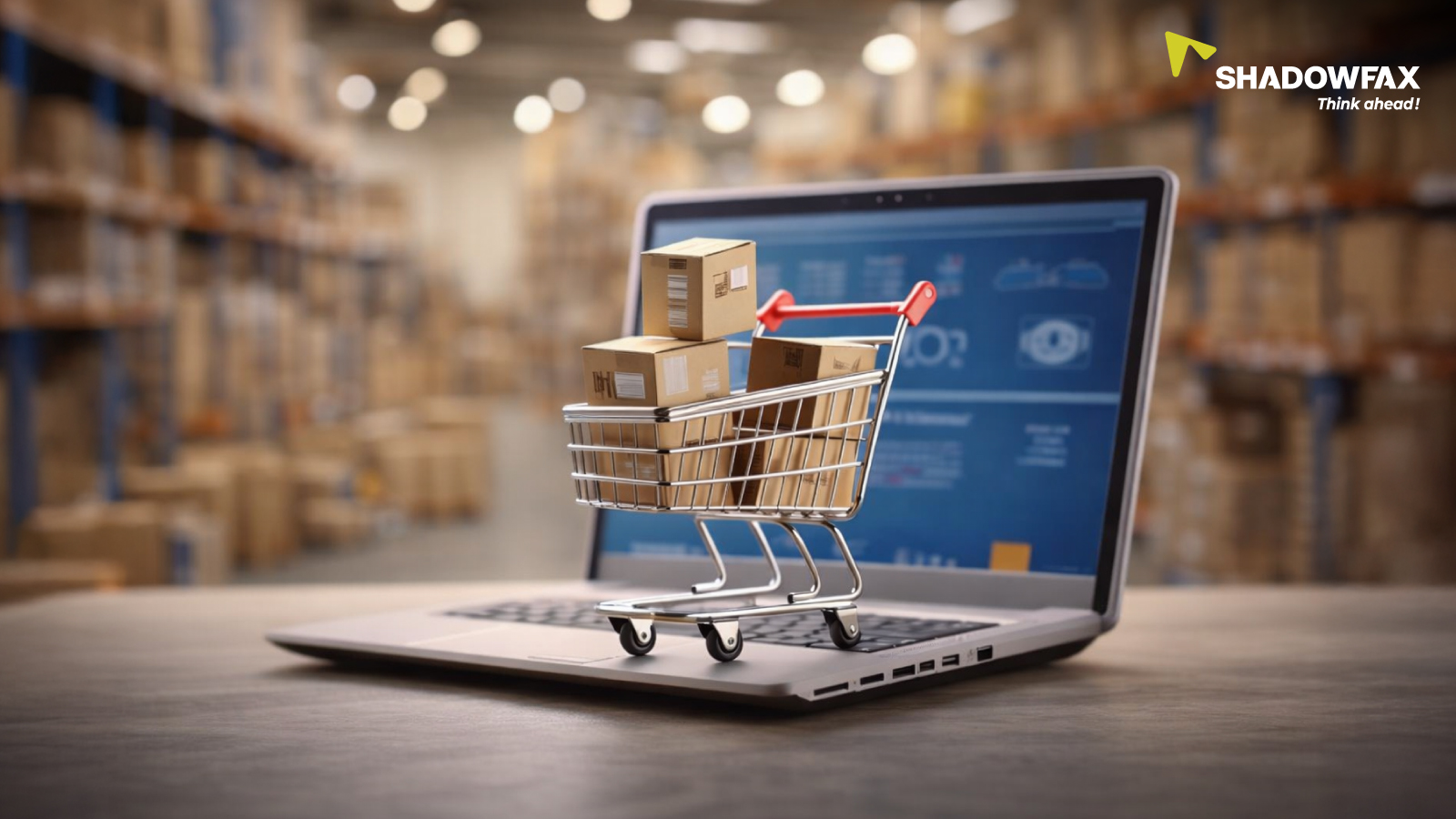


You tap Buy Now, and within seconds, a silent chain of operations begins. Inventory is verified, a warehouse system assigns a picker, packaging is initiated, a courier is booked, and delivery routes are optimized using real-time data. From that moment onward, the order enters the logistics pipeline, moving step by step toward your doorstep.
That entire journey from click to delivery is e-commerce logistics. It's no longer just a support function; it has become the backbone of online retail.
In fact, the numbers speak for themselves. The global e-commerce logistics market, valued at $315.84 billion in 2022, is expected to touch $1.5 trillion by 2030. This explosive growth is powered by rising customer expectations, rapid online shopping adoption, and smarter supply chain technology.
So what exactly makes e-commerce logistics work so efficiently? What processes ensure every order reaches the right doorstep on time, every time?
In this article, we break down how e-commerce logistics works, its key components, and the best practices that businesses must follow to stay competitive.
E-commerce logistics refers to the process of managing and coordinating the different activities involved in online delivery. The process includes inventory management, warehousing, packaging, and shipping. It ensures timely product delivery while meeting customer expectations.
Over time, rising customer expectations for faster delivery and affordable pricing have shaped the way e-commerce logistics operates. Today, it not only involves managing warehouses and inventory but also strategically placing stock closer to customer locations to enable quicker and more efficient order fulfilment.
For an e-commerce company, managing inventories, planning, and forecasting sales are key components to ensure products don’t run out of stock during peak seasons. This is why a well-planned and well-executed e-commerce logistics process is crucial for modern businesses. The increasing popularity of online purchasing has made quick delivery essential. In addition to ensuring a smooth flow of goods from warehouses to consumers, efficient logistics also involves accurate inventory control and prompt order processing by the logistics partner to deliver a better customer experience.
Beyond delivery, effective logistics lowers operating costs by using smart inventory control and optimizing delivery routes. It also facilitates scalability, enabling companies to manage increasing order volumes during busy periods without sacrificing service quality.
E-commerce logistics management operates under three different models: third-party logistics, in-house logistics, and dropshipping.
Third-party logistics providers (3PLs) help e-commerce clients manage different logistics tasks. These include inventory control, warehousing, picking, packing, and shipping. By outsourcing these processes, businesses can focus on their core operations.
In-house logistics involves managing the entire logistics process within the company. Companies manage the warehouse, employ trained staff to manage inventories, and work closely with delivery companies. This model allows businesses to have better control over inventory and fulfillment quality, but it demands higher investment. Many e-commerce businesses rely on in-house logistics to ensure consistent service quality and quicker delivery.
Dropshipping is a fulfillment model where the retailer outsources the complete inventory management and shipping process to a third party. Once the customer places an order, the retailer forwards it to the third-party supplier, who ships the product directly to the customer. This reduces storage, inventory, and upfront investment costs, making it a popular model for new e-commerce businesses.
E-commerce logistics involves several key processes allowing the smooth flow of products from the warehouse to customers. These steps help to enhance accuracy, customer loyalty and satisfaction, and transparency.
One of the key processes of e-commerce logistics is order processing, which begins when the customer places an order online. The system generates a shipping label, confirms payment, and verifies product availability. Once verified, the order is packaged and is ready for shipping. By installing automated order processing systems, there is less human error, quicker delivery, and improved order accuracy.
Inventory management ensures that the warehouse is equipped with enough stock during the peak season. The process involves managing inventory levels, estimating demand, and restocking goods. Using advanced inventory software helps track stock in real time across different channels. Effective inventory control ensures seamless order fulfillment by preventing overstocking and stockouts.
Warehousing and fulfillment centers are crucial for storing products before the shipment process. Businesses rely on professional fulfillment services to streamline packaging, shipping, and storage. In order to cut down transportation costs and delivery timelines, companies store products at the nearest warehouses. These warehouses manage the entire product shipment process seamlessly. This approach helps businesses handle large order volumes, maintain product accuracy, and deliver goods on time.
The picking and packing process involves selecting ordered items from the warehouse and packing them for delivery. In this process, the logistics team uses the barcode scanner and an automated tool to minimize selection errors. Good packing protects goods during transportation. Moreover, effective picking and packing procedures reduce damage, increase order accuracy, and improve customer satisfaction.
The e-commerce shipping process involves moving goods from fulfillment facilities to customers across multiple locations. By partnering with professional logistics providers, companies can ensure rapid delivery and handle both local and international shipments efficiently. Factors like cost and delivery time depend on shipping methods and package dimensions. Route optimization, tracking technologies, and multi-carrier shipping tools make same-day delivery possible and improve customer satisfaction.
Product returns and reverse logistics are essential parts of the logistics process. Reverse logistics involves receiving, examining, and restocking returned goods or issuing refunds. By streamlining reverse logistics with automated tools, businesses can reduce losses and maintain long-term customer satisfaction.
Beyond the logistics process, it’s important to understand the physical infrastructure that supports it. Below are the infrastructural components that enable e-commerce logistics to function efficiently.
They provide the products that enter the supply chain, either for warehouse stocking or direct fulfillment. Without reliable suppliers, the entire logistics process has no starting point.
These are the operational hubs where orders are picked, packed, and dispatched efficiently. They turn customer orders into ready-to-ship packages.
They act as regional storage points that redistribute inventory based on demand. This helps reduce delivery time and balance stock across locations.
Here, parcels are categorized by route, region, or priority using automated systems. This process ensures faster dispatch and accurate delivery routing.
They transport goods from hubs to customers’ doorsteps. Their efficiency directly impacts delivery speed, customer satisfaction, and brand trust.
To successfully run e-commerce logistics services, it is important to follow best practices that meet customer expectations and reduce operational costs. Some of the best practices are:
Optimizing inventory distribution with the use of inventory management systems helps balance shipping expenses and delivery timelines from different warehouses. For instance, delivering the product from the warehouse closest to the customer can reduce fuel costs, boost productivity, and shorten the delivery timeline.
E-commerce brands that offer flexibility in shipping are highly appreciated by customers. Offering choices like regular shipping, eco-friendly shipping, and same-day delivery caters to diverse customer preferences. Businesses can balance delivery speeds and shipping costs by partnering with different carriers.
One of the critical parts of logistics is using the right packaging for safe transportation from the warehouse to the customer. Moreover, adopting an eco-friendly packaging system can improve brand recognition and draw in eco-aware customers.
Order fulfillment involves receiving, handling, and dispatching orders. Using an automated picking and packaging system can speed up the process and reduce human errors. Businesses can expand operations without investing in new infrastructure by outsourcing fulfillment to 3PL providers.
The integration of logistics systems brings in improved visibility into the overall shipment operation. Partnering with a professional logistics service provider like Shadowfax assists in seamless transactions across different stages of the supply chain. Tools like warehouse management systems (WMS) and transportation management systems (TMS) help enhance real-time visibility and operational coordination.
Delivery routes can be made faster and more efficient by using logistics software to assess delivery addresses. This helps in supporting efficient order fulfillment and streamlining operations. By allowing clients to choose their preferred delivery times, you can further customize the experience and increase customer satisfaction.
Sustainability is an important part of modern logistics. e-commerce logistics companies are adopting sustainable practices, such as optimizing delivery routes, using recyclable packaging, and adopting EV fleets for last-mile delivery, to attract eco-conscious customers and contribute to a greener supply chain.
Clear communication with customers is essential to maintaining an efficient logistics process. Keeping customers informed from the purchase stage to real-time tracking updates strengthens trust and improves the overall delivery experience.
E-commerce platforms that use data-driven insights can make smarter decisions in inventory planning, demand forecasting, and transportation. Advanced analytics tools enable better forecasting and continuous improvement in logistics operations.
Efficient e-commerce logistics can help with focusing on customer satisfaction, reducing costs, and following the last-mile delivery process. Shadowfax, a leading e-commerce logistics company, offers comprehensive solutions for every stage of logistics, including inbound logistics to manage supplies and inventory flow, and outbound logistics to ensure timely product deliveries. From order fulfillment to route optimization and multiple delivery options, the company ensures a smooth and reliable delivery process.
Moreover, e-commerce partners can make use of different delivery choices, such as same-day and next-day services. This adaptability raises the possibility of successful deliveries while satisfying client preferences. In other words, Shadowfax supports business growth and helps deliver superior customer experiences.
1. How to start e-commerce logistics?
To start e-commerce logistics, you first need a proper business plan that covers legal aspects, licensing, and financial planning. Once the foundation is in place, work on choosing strategic warehouse locations and investing in automated tools for inventory management. Then, streamline your shipping process and build strong tie-ups with e-commerce business owners to ensure smooth operations and consistent order flow.
2. How to manage logistics in e-commerce?
To manage logistics in e-commerce, you need to focus on managing inventory, improving the shipping process, and investing in automated tools.
3. What are the benefits of E-commerce logistics?
E-commerce logistics can help with enhanced customer satisfaction, ensuring timely deliveries, seamless operation for large-scale e-commerce shops, and reduced costs in different areas.
Hash Tags :
#shadowfax #e-commerce #e-commercelogistics #logistics #logisticsmanagement #shipping #returnparcel #distributioncenters
Related Blogs