
 Back
Back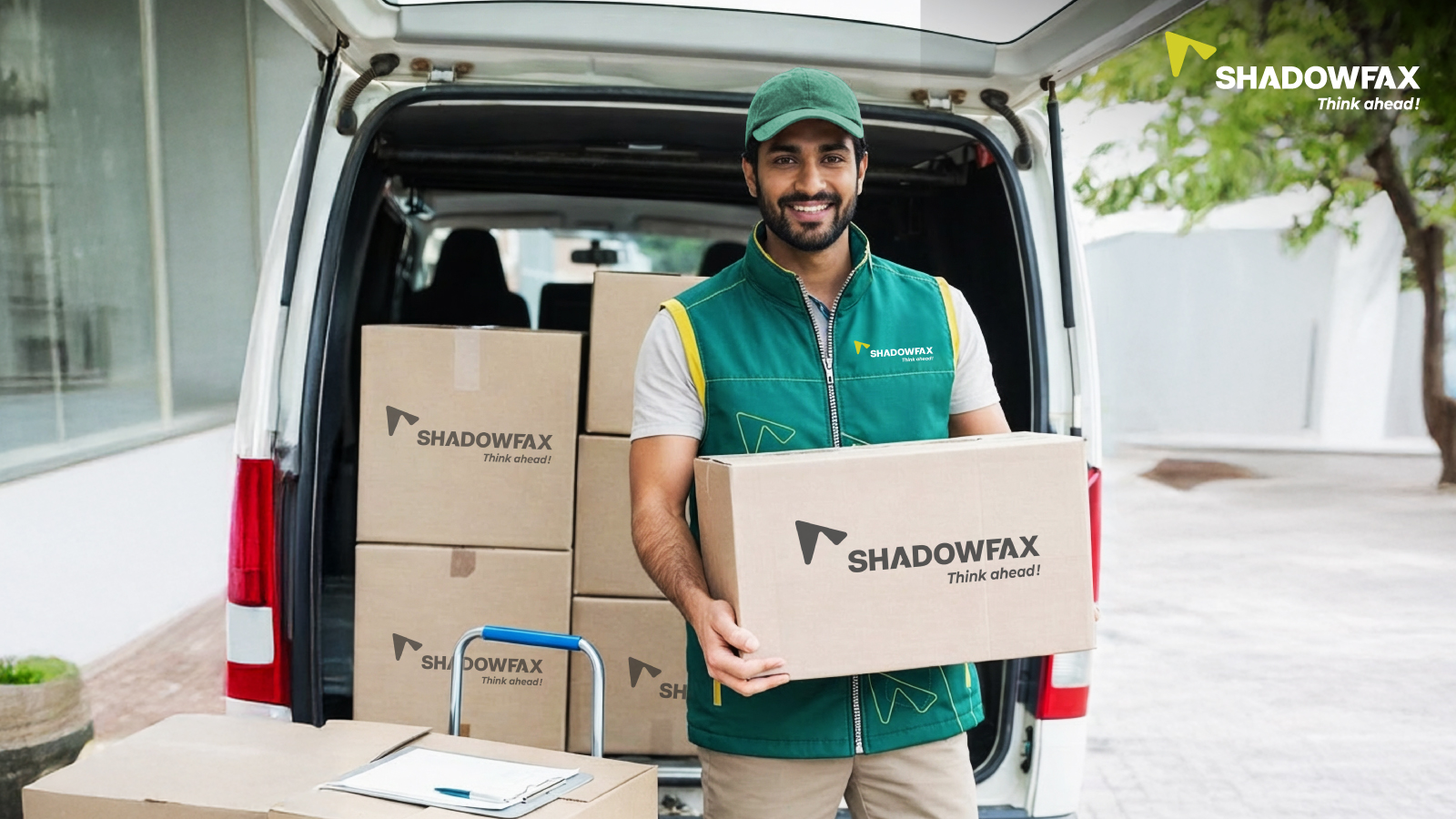


A pickup exception is one of the most disruptive early-stage failures in e-commerce logistics. When a courier partner misses a scheduled pickup, the entire fulfillment cycle slows down; inventory remains stuck, delivery timelines slip, SLAs are breached, and customer promises come under risk. For fast-moving online sellers, even a single missed pickup can create a ripple effect across operations, from delayed dispatches to increased support tickets and potential order cancellations.
This guide explains what a pickup exception means, why it happens, and how you can minimize its impact to maintain on-time fulfillment and protect customer experience.
A pickup exception occurs when the courier partner is unable to collect a shipment as scheduled, preventing the order from leaving the seller’s facility. This may happen due to missed pickups, incorrect details, shipment unavailability, or operational delays, all of which immediately disrupt the start of the fulfillment cycle.
Since pickup exceptions happen at the very first stage of shipping, they are more critical than in-transit delays. They block dispatches, create inventory backlogs, increase reattempt costs, and risk customer dissatisfaction when delivery expectations have already been set.
Understanding the root causes of pickup exceptions helps sellers respond quickly and prevent future disruptions. In most cases, the failure is either on the courier’s end or due to the seller’s preparation/coordination. Identifying which side caused the issue is essential to take corrective action and improve future pickup success rates.
Pickups may be missed due to routing errors, staff shortages, vehicle issues, or miscommunication, even when the seller is fully prepared.
If outdated address data or scheduling mismatches occur, the pickup fails automatically. Coordination delays within the logistics network can also lead to incomplete attempts.
Sometimes the system reflects a false attempt due to workload pressure or human error. These cases need quick escalation to avoid delays.
If packaging, QC, or labeling isn’t completed in time, the rider cannot collect the shipment. This often happens when sellers schedule pickups before final preparation.
Address errors or hard-to-locate locations can waste the rider’s time and cause missed pickups.
When riders are made to wait beyond their time slot, the pickup is usually cancelled due to tight operational schedules.
Couriers may reject parcels that are poorly packed, unsafe, or lack proper labeling and handling instructions.
Effectively managing pickup exceptions requires a combination of proactive planning, clear communication, and systematic processes. The following 7 strategies help sellers minimize pickup failures and respond efficiently when exceptions do occur.
As soon as you see a pickup exception notification, contact your courier partner through phone, email, or the platform’s messaging system to understand the exact reason for the failure. Quick, direct communication helps clarify whether the issue is due to service unavailability, address problems, or other operational factors.
Shipping labels should be clearly printed, accurate, and securely affixed in visible locations. Verify that they include the correct recipient address, contact number, order reference, and any special handling instructions.
Before scheduling a pickup, ensure the address registered with the courier matches your actual location. If you operate multiple warehouses or fulfillment centers, make sure each address is mapped correctly, and the right one is selected for every pickup request.
Have all shipments ready 30–60 minutes before the scheduled pickup. This buffer helps you handle early rider arrivals or last-minute packaging issues without causing delays.
Use your shipping platform’s dashboard or mobile app to track pickup status in real time. Stay updated on pickup schedules, rider assignments, and any alerts about exceptions or delays.
If you can’t meet the scheduled slot or the rider is significantly delayed, reschedule the pickup immediately through the courier’s dashboard or app, choosing the earliest available time that suits your operations.
When a pickup exception is likely to delay an order, inform the customer proactively instead of waiting for them to ask. Clear updates help manage expectations and maintain trust.
Pickup exceptions don’t have to disrupt your shipping flow. With the right processes and the right partner, e-commerce sellers can reduce delays, maintain smooth dispatch operations, and protect customer experience across the entire order lifecycle.
Shadowfax offers comprehensive logistics capabilities that streamline forward and reverse logistics, backed by a strong pan-India network, advanced tracking systems, and dedicated support teams. From faster pickups to reliable returns management, Shadowfax helps sellers minimize exceptions while providing real-time visibility into every stage of movement.
Whether you're scaling your e-commerce shipping or improving operational efficiency, Shadowfax enables smooth logistics, fewer exceptions, and a more reliable post-purchase journey for your customers.
After a pickup exception, the courier updates the status and either attempts the pickup again or waits for the seller to reschedule. The seller must take corrective action quickly to avoid shipping delays or customer dissatisfaction.
No. A pickup exception only indicates that the courier agent couldn’t collect from the seller's location. The parcel is still safely with the seller and hasn’t entered the delivery network yet.
A package stays in exception until the next successful pickup attempt. This can range from a few hours to the next working day, depending on how fast the seller or courier takes action.
If your package remains in exception for too long, contact your courier partner immediately. Confirm the reason, correct any issues, and reschedule the pickup to prevent further delays.
Hash Tags :
#shadowfax #pickup #logistics #pickupanddrop #customerexception #ecommerce #scheduledpickup #customerexperience #pickupexception #courierpartner
Related Blogs