 Back
Back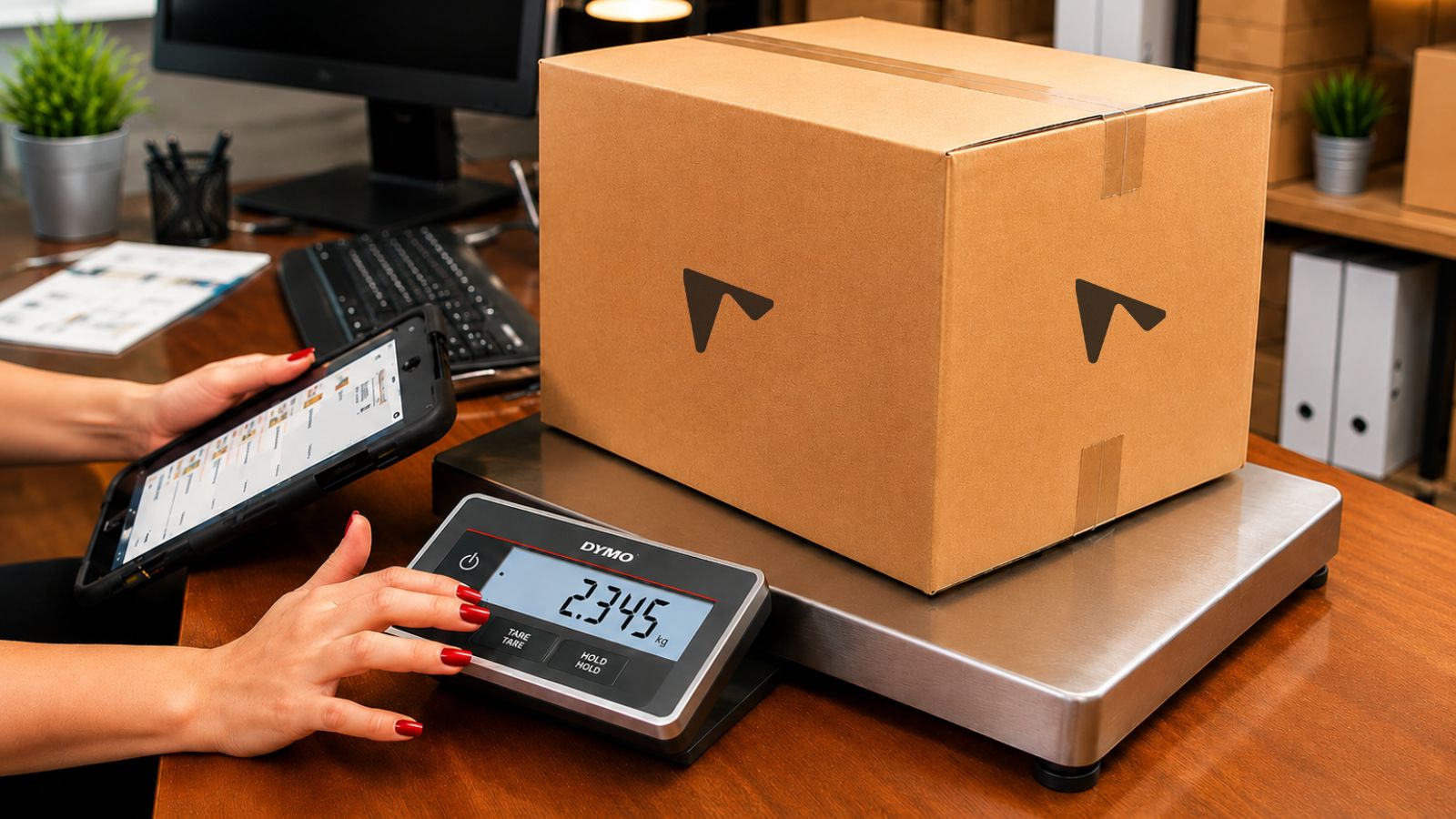


Imagine you're shipping two orders.
Although the difference is only 40 grams, many traditional shipping providers may place the second parcel in a higher weight slab, increasing the shipping cost.
For growing e-commerce businesses, this happens every day. As order volumes increase, constantly calculating shipping charges across multiple weight slabs becomes time-consuming and makes logistics costs harder to predict.
This is exactly why many modern shipping platforms now offer No Weight Slab Shipping.
In this guide, you'll learn what it means, how it works, and why more e-commerce and D2C brands are moving away from traditional weight slab pricing.
Most logistics providers divide shipments into predefined weight ranges, commonly known as weight slabs.
For example:
Whenever a shipment crosses one of these slabs, the shipping charge usually changes.
This pricing model has been widely used for years, but it can make shipping costs less predictable for businesses handling hundreds of orders every month.
No Weight Slab Shipping is a pricing approach where eligible shipments are not charged based on multiple weight slabs.
Instead, shipping charges are determined using a simpler pricing model, such as the delivery zone.
Rather than recalculating shipping costs every time the parcel weight changes slightly, businesses benefit from a more predictable pricing structure.
This helps simplify logistics planning and reduces the effort required to estimate shipping expenses.
Suppose you're shipping three products to customers within the same delivery zone.

Although the parcel weights are different, the shipping charge remains the same because these shipments fall under the same eligible pricing zone.
Note: Pricing may vary across delivery zones. Within an eligible zone, shipping isn't charged using multiple weight slabs.
As businesses grow, shipping operations become more complex. With traditional weight slab pricing, teams often spend extra time:
A simpler pricing model helps reduce this complexity, making logistics operations easier to manage as order volumes increase.
No.
This is one of the biggest misconceptions. No Weight Slab Shipping doesn't mean there's one universal shipping price.
Many modern logistics platforms, including SF 360, follow zone-based pricing, where shipping charges depend on the delivery zone instead of increasing with every weight slab.
This provides predictable pricing while supporting deliveries across different locations.
Instead of spending time managing multiple pricing slabs, businesses can focus on running and growing their operations.
Some key advantages include:
This pricing model is especially useful if you:
Managing shipping shouldn't require complicated pricing calculations. SF 360 helps e-commerce and D2C brands simplify logistics with:
By bringing these features together in one platform, Shadowfax 360 helps businesses ship more efficiently while maintaining better control over logistics costs.
Shipping costs shouldn't become more complicated as your business grows.
No Weight Slab Shipping offers a simpler alternative to traditional weight slab pricing by making shipping costs more predictable for eligible shipments. This helps businesses reduce pricing complexity, improve cost visibility, and spend less time managing logistics calculations.
For e-commerce and D2C brands looking to simplify shipping, Shadowfax 360 combines No Weight Slab Shipping, Zone-Based Flat Rate Shipping, D+2 COD Remittance, and centralized shipping management, helping businesses streamline logistics and focus on growth.
No Weight Slab Shipping is a pricing model where eligible shipments aren't charged using multiple weight slabs, making shipping costs simpler and more predictable.
No. Shipment eligibility and pricing still depend on the logistics provider's pricing model and supported shipment limits.
Not exactly. Flat Rate Shipping is one pricing model that can work without weight slabs. Many platforms use zone-based flat rate pricing, where shipping charges depend on the delivery zone rather than parcel weight.
It's ideal for e-commerce businesses, D2C brands, SMEs, and online sellers looking for simpler and more predictable shipping costs.
Hash Tags :
#shadowfax #shadowfax360 #sf360 #noweightslab #noweightslabshipping #noweightslabpricing #ecommerced2c #ecommerceshipping #d2cshipping #ecommerceslabshipping #shippingslabs
Related Blogs