
 Back
Back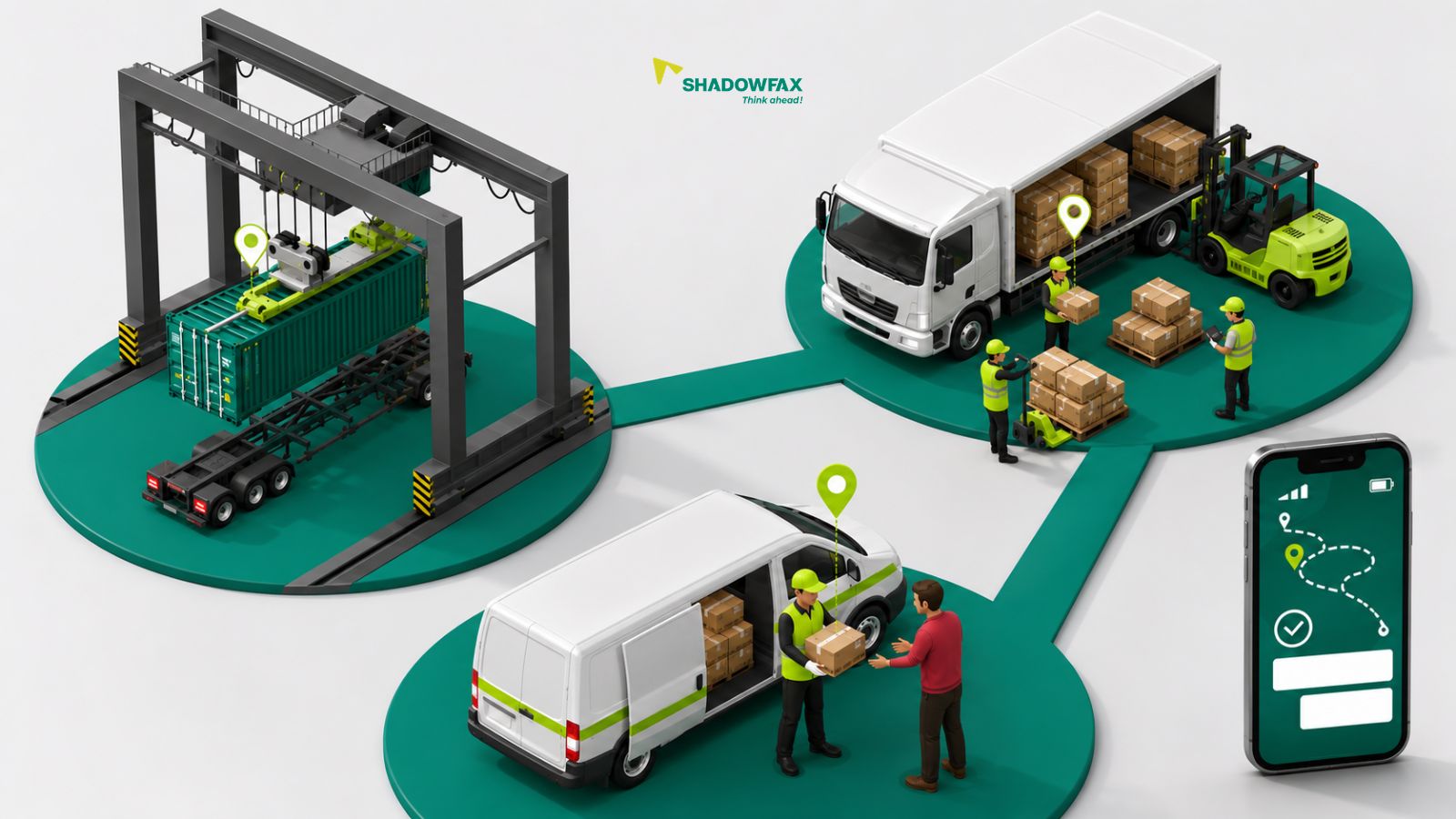


In the world of a fast-moving commerce ecosystem, delivery speed is no longer just a competitive advantage; it is a customer expectation. While last-mile delivery often receives the most attention, the real driver of supply chain efficiency lies in what happens before the final delivery stage: middle-mile logistics.
From moving inventory between warehouses and micro-fulfillment centers to enabling faster regional distribution, middle-mile logistics forms the operational backbone of modern supply chains. For e-commerce brands, retailers, quick commerce companies, and enterprises handling large shipment volumes, efficient middle-mile operations are essential for maintaining delivery timelines, reducing costs, and improving customer satisfaction.
As businesses scale across regions and customer expectations continue to rise, companies are increasingly investing in technology-driven middle-mile networks that offer speed, visibility, flexibility, and operational control.
Middle-mile logistics refers to the transportation of goods between different nodes in a distribution network, such as:
It takes place after products leave manufacturers or suppliers but before they reach the final customer through last-mile delivery.
In simple terms, middle-mile logistics acts as the bridge between production and customer fulfillment.
Efficient hub-to-hub transportation ensures products are available in the right locations at the right time, enabling faster downstream deliveries.
Middle-mile logistics directly impact delivery speed, operational efficiency, transportation costs, and inventory availability. Even the most advanced last-mile delivery strategy can fail if the middle-mile network is inefficient.
Modern consumers increasingly expect same-day delivery and next-day shipping. To meet these expectations, businesses must strategically position inventory closer to customer demand centers before orders are placed.
An optimized middle-mile network helps businesses:
As regional fulfillment models continue to expand, middle-mile efficiency becomes critical for maintaining delivery performance at scale.
Transportation remains one of the largest cost centers in supply chain operations.
Middle-mile optimization helps businesses:
Bulk movement between logistics hubs is significantly more cost-effective than fragmented transportation models, making middle-mile logistics a major opportunity for cost optimization.
Global supply chains continue to face disruptions caused by:
A strong middle-mile network enables businesses to respond faster to operational changes through intelligent rerouting, flexible inventory movement, and improved network coordination.
Technology-enabled logistics networks with real-time visibility are especially valuable in maintaining operational continuity during disruptions.
Poor coordination between warehouses often leads to:
Middle-mile logistics improves inventory balancing across multiple fulfillment locations, helping businesses maintain optimal stock levels while reducing holding costs.
For fast-scaling e-commerce and retail businesses, inventory positioning has become a strategic advantage in improving delivery performance.
Several operational processes work together to ensure efficient middle-mile transportation.
At the core of middle-mile logistics is hub-to-hub transportation, in which goods move between large logistics hubs rather than directly to customers.
These hubs may include:
This model enables businesses to move high shipment volumes efficiently across large geographic regions while maintaining supply chain consistency.
For logistics providers operating at scale, network density and route optimization play a major role in improving middle-mile efficiency.
Cross-docking is a logistics strategy where inbound shipments are unloaded and transferred directly to outbound vehicles with minimal storage time.
Cross-docking has become increasingly important in high-volume retail, e-commerce, and quick-commerce supply chains, where speed and inventory turnover are critical.
Modern logistics operations rely heavily on real-time visibility and data-driven decision-making.
Using:
Businesses can monitor inventory movement continuously across the supply chain.
Technology-led logistics platforms are increasingly helping businesses gain greater control over middle-mile operations through centralized visibility and intelligent transportation planning.
Many businesses partner with Third-Party Logistics (3PL) providers to manage middle-mile transportation more efficiently.
A 3PL partner may provide:
For growing businesses, partnering with a scalable logistics provider reduces the need for heavy infrastructure investment while improving operational flexibility.
Modern logistics partners like Shadowfax help businesses streamline middle-mile operations through tech-enabled transportation networks, real-time visibility, optimized routing, and scalable hub-to-hub movement solutions.
Despite its importance, businesses continue to face several middle-mile logistics challenges.
Fuel price increases, driver shortages, and fleet operating expenses continue to impact logistics profitability.
Managing multiple warehouses, fulfillment centers, and transportation routes requires advanced coordination and planning capabilities.
Without real-time tracking systems, businesses often struggle to identify delays, inventory bottlenecks, and shipment inefficiencies.
Underutilized vehicles and poor route optimization can significantly increase transportation costs and reduce operational efficiency.
Businesses that adopt automation, AI-powered routing, and predictive analytics are better positioned to overcome these operational challenges.
Technology is rapidly reshaping the logistics industry and improving middle-mile efficiency.
Key innovations include:
These tools help businesses:
As supply chains become more complex, technology-driven logistics ecosystems are becoming essential for maintaining speed, scalability, and operational resilience.
The future of middle-mile logistics will be shaped by:
As e-commerce, quick commerce, and omnichannel retail continue to grow, businesses will require more agile and data-driven middle-mile networks to support faster fulfillment expectations.
Logistics providers that combine scalable infrastructure with intelligent technology will play a crucial role in enabling efficient supply chains in the coming years.
Middle-mile logistics is no longer an overlooked stage of the supply chain. It has become a strategic operational layer that directly influences delivery speed, inventory efficiency, transportation costs, and customer satisfaction.
By optimizing hub-to-hub transportation, implementing cross-docking strategies, leveraging real-time visibility, and partnering with technology-driven logistics providers, businesses can build more resilient and scalable supply chains.
In an increasingly competitive logistics environment, companies that invest in efficient middle-mile operations gain a significant advantage through faster deliveries, stronger operational control, and improved supply chain performance.
Middle-mile logistics refers to the transportation of goods between warehouses, fulfillment centers, distribution hubs, and other logistics nodes before final delivery to customers.
It helps businesses improve supply chain efficiency, reduce transportation costs, support faster deliveries, and optimize inventory positioning.
Hub-to-hub transportation involves moving goods between logistics hubs such as warehouses, distribution centers, and fulfillment facilities.
Cross-docking reduces storage time by transferring shipments directly from inbound to outbound vehicles, helping businesses improve delivery speed and reduce warehousing costs.
Hash Tags :
#shadowfax #middlemile #middlemiledelivery #supplychain #logistics #supplychainbenefits #3pl
Related Blogs