Back
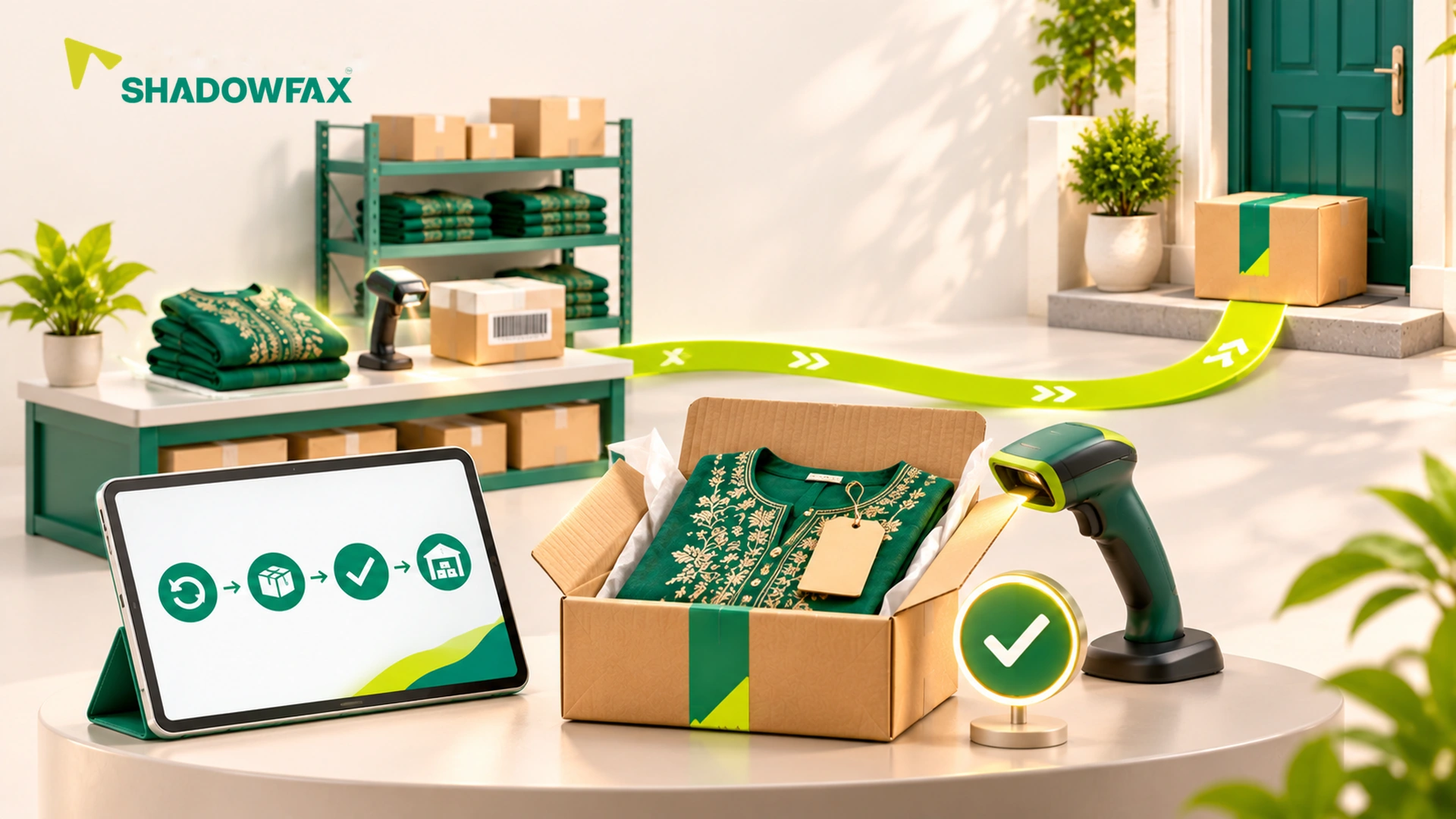


The returns management software should fit the way you sell. A Shopify-only brand can start with Return Prime or ClickPost Returns. If orders come from several channels, an order management system such as Base.com or Unicommerce can keep returns beside orders, shipping and stock.
The need usually becomes obvious when the warehouse cannot find a parcel, support is chasing a refund, finance cannot match a courier deduction, or returned kurtas sit unsellable. A returns tool links those steps, so each team can see what has happened and what still needs doing.
It tracks a return from request to refund and restock, repair or scrap. Depending on the tool and courier, it applies rules, books and tracks reverse pickup, records inspection, creates exchanges and updates inventory.
If all these are being done separately, then you need returns management software.
Customer returns and RTO involve different delivery outcomes and require different management processes.
Some returns tools handle only customer returns, while others include RTO tracking as well. If RTO is your higher cost, check that a tool covers both before you buy.
Growing sellers may take orders through Shopify or WooCommerce, Amazon, Flipkart, Myntra, Meesho and offline stores. Return processes differ by channel.
You control the return window, accepted reasons, pickup and refund. Look for a self-service portal that applies your rules and books pickups without manual handling.
Marketplaces generally approve returns, arrange pickup and refund the buyer. Your work often begins when the parcel reaches your warehouse: verify the returned product and condition, then raise a claim if it is damaged or incorrect. Amazon SAFE-T and Flipkart seller protection processes have deadlines, so log marketplace returns against their original orders as they arrive. Otherwise, staff may put a swapped or damaged item back on the shelf, or miss the claim deadline.
Ask vendors which channels they import returns from automatically and which need manual entry. Coverage can be narrower than a sales page suggests. At minimum, the tool should let you log a marketplace return against its order and record its condition.
Software can book and track a reverse pickup, but the courier collects and transports the parcel. Delays, wrong-item pickups and missing parcels can still create complaints and cost. Evaluate courier performance as well as the software.
At pickup, the delivery partner checks the product against the order, including tag, size and condition, and may take photos. The partner can refuse a used, damaged or incorrect item. Without the check, warehouse staff may find the problem only after the parcel returns, by which time you may have refunded the buyer.
Shadowfax's annual report and website describe it as India's largest third-party logistics provider for reverse pickups by order volume. Its reverse pickups include doorstep quality checks; Shadowfax Shield uses AI to flag fake orders and fraudulent returns, and its network covers more than 16681+ PIN codes (as of November 2026).
A courier integration should be able to:
Ask for a live demonstration of a QC photo appearing in the return record. If the vendor cannot show it, do not assume the connection exists.
Refunds affect customer satisfaction. COD refunds need special handling because there is no original card or UPI transaction to reverse.
Card, UPI or wallet refunds usually go to the original payment method through the gateway. Check whether the software can trigger and record the refund at your chosen stage, such as pickup for trusted customers or warehouse inspection for others.
For COD, collect the customer's UPI ID or bank details, verify them and pay out. Manual copying from WhatsApp to a banking portal creates extra work and room for errors. Ask vendors:
Store credit is instant, skips bank-detail collection and keeps the money with your brand. Some sellers offer a 5% to 10% bonus for choosing it.
An exchange can save revenue you would otherwise refund. It is especially useful in fashion and footwear, where many returns relate to size. Return Prime says its merchants recover up to 21% of return value through exchanges, store credit and upsells.
Look for automatic replacement orders, stock reservation for the new size and, for trusted buyers, an option to ship the replacement before the original arrives. A note on the old order still leaves staff to do the work manually.
A returned product that sits unchecked in a corner of the warehouse is lost revenue. It can't be sold, it isn't counted as stock, and in fashion it may be out of season by the time someone gets to it.
Base.com's benchmark shows how much the speed of processing matters:
Source: Base.com India Ecommerce Benchmarks
A good restocking flow scans the parcel barcode or tracking number to find the order, grades each item separately, and sends resaleable stock to a pickable shelf while routing damaged items to claims or liquidation. Once restocked, quantity should sync to each sales channel. Record return reasons and grades by product: repeated size-related returns on one kurta, for example, may point to a size chart that needs work.
The tools below fall into two groups. Returns apps focus on the buyer-facing part of returns on your own store. Order management platforms handle returns as part of a wider system that also covers orders, shipping and stock across channels.
Our Base returns module sits within the order management platform. Buyers select items and reasons on a return page; teams use custom statuses, create exchange orders and manage repairs. Returns Assistant scans a parcel to find its order, split items between restock and repair, attach photos and assign warehouse locations. When buyers create returns, automatic actions can update statuses, issue invoice corrections and trigger refunds.
We currently import returns automatically from certain European marketplaces; we plan to add Amazon and eBay. For Indian marketplaces, sellers add returns manually against the original order. Base suits teams that want returns, shipping and stock connected across channels.
Unicommerce is a listed Indian ecommerce software company with more than 3,550 clients. Its returns system covers reverse pickups, multi-warehouse restocking and returns reconciliation. It suits larger brands with established operations teams.
Return Prime is a Shopify app for D2C returns and exchanges. It offers a multilingual branded portal, rules by reason, product and time window, plus exchanges and store credit. Its free plan covers five return requests, making it a practical starting point for Shopify-first sellers.
ClickPost offers a self-service portal, custom policies and reasons, photo uploads, variant exchanges and return analytics. It suits Shopify sellers, particularly those already using ClickPost for shipment tracking.
Illustrative example: a Bengaluru footwear brand sells on Shopify and Myntra, and ships its own-store orders with Shadowfax. A buyer in Indore receives size 8 sneakers, finds them tight and requests size 9 through the return page linked in her order email.
Day 0: Request and approval. She selects "too small" and asks for an exchange. Base.com links the return to her original order. An automatic rule checks the return window and approves it. The system creates a size 9 replacement order, then the team prints a Shadowfax label and sends tracking to Shopify.
Days 1–3: Reverse pickup. Book the pickup through the Base.com Shadowfax integration if it supports returns; otherwise, use the courier portal and add the tracking number to the return. At the door, the Shadowfax partner checks the shoes against the brand's QC rules before collection.
Day 4: Receive and grade. The parcel reaches the warehouse. Staff scan its tracking number in Returns Assistant to open the matching return. The shoes arrive unworn with tags intact. Staff photograph them, grade them as re-saleable and assign a shelf location.
Day 4: Update stock. Staff restocks the pair, Base updates available quantities on Shopify and Myntra, and they close the return. The "too small" reason stays linked to the product for later review.
The brand's operations team could manage the order, exchange and stock update through Base.com without switching between multiple systems. Sellers evaluating an all-in-one platform should ask vendors to demonstrate these connected workflows during a product demo.
Use this checklist when evaluating returns management software. During vendor demonstrations, request practical examples of each feature, preferably using an actual return from your business.
A Shopify returns app such as Return Prime or ClickPost is a quick start if you sell mainly through your own store and focus on size exchanges. If you sell across channels and manage your own warehouse, an app alone may leave gaps in stock and marketplace returns. An order management platform such as Base.com or Unicommerce can connect returns with orders, shipping and stock.
Also assess couriers that offer doorstep quality checks. These can help reduce disputes about incorrect, damaged or substituted products.
Returns data can help Indian sellers identify recurring problems with product descriptions, sizing, packaging and courier performance. Reviewing this information regularly allows businesses to address the causes of returns and improve their fulfilment processes.
Indian ecommerce sellers should select returns management software based on their sales channels, warehouse requirements and existing courier partnerships. Combining suitable software with reliable reverse logistics and regular analysis of return reasons can help businesses manage returns more efficiently.
It depends on your sales channels. Shopify-first brands may prefer Return Prime or ClickPost Returns & Exchanges. Multi-channel sellers with warehouses may need an order management platform such as Base.com or Unicommerce to manage returns alongside orders, shipping and stock.
It manages a return from request to refund and restock. Features may include return rules, reverse pickup booking and tracking, inspection, refunds or exchanges, inventory updates and reporting.
It manages products moving from the buyer back to the seller: booking reverse pickups, tracking parcels and routing them to a warehouse. Returns platforms often include this or connect to courier services.
Collect the buyer's UPI ID or bank details through the returns page, verify the account and pay through a payout service or bank. Store credit is another option that avoids collecting bank details and keeps the value with your brand.
Support varies. Marketplaces usually manage approval, pickup and refund themselves. Ask which returns the tool imports; at minimum, log each return against its order, record condition and flag damaged items for claims.
At pickup, the courier checks the product, size, tags and condition, and may take photos. The courier can reject a wrong or damaged item. Shadowfax offers doorstep quality checks on reverse pickups.
In a customer return, the buyer received the product and sends it back, usually for a refund or exchange. In an RTO, delivery fails and the parcel returns to the seller; a COD buyer who never paid doesn't need a refund.
Shopify apps may offer free low-volume plans, then charge per return or by monthly tier. Order management platforms may price by order volume or quote on request. Ask for pricing at your expected annual return volume.
Related Blogs