 Back
Back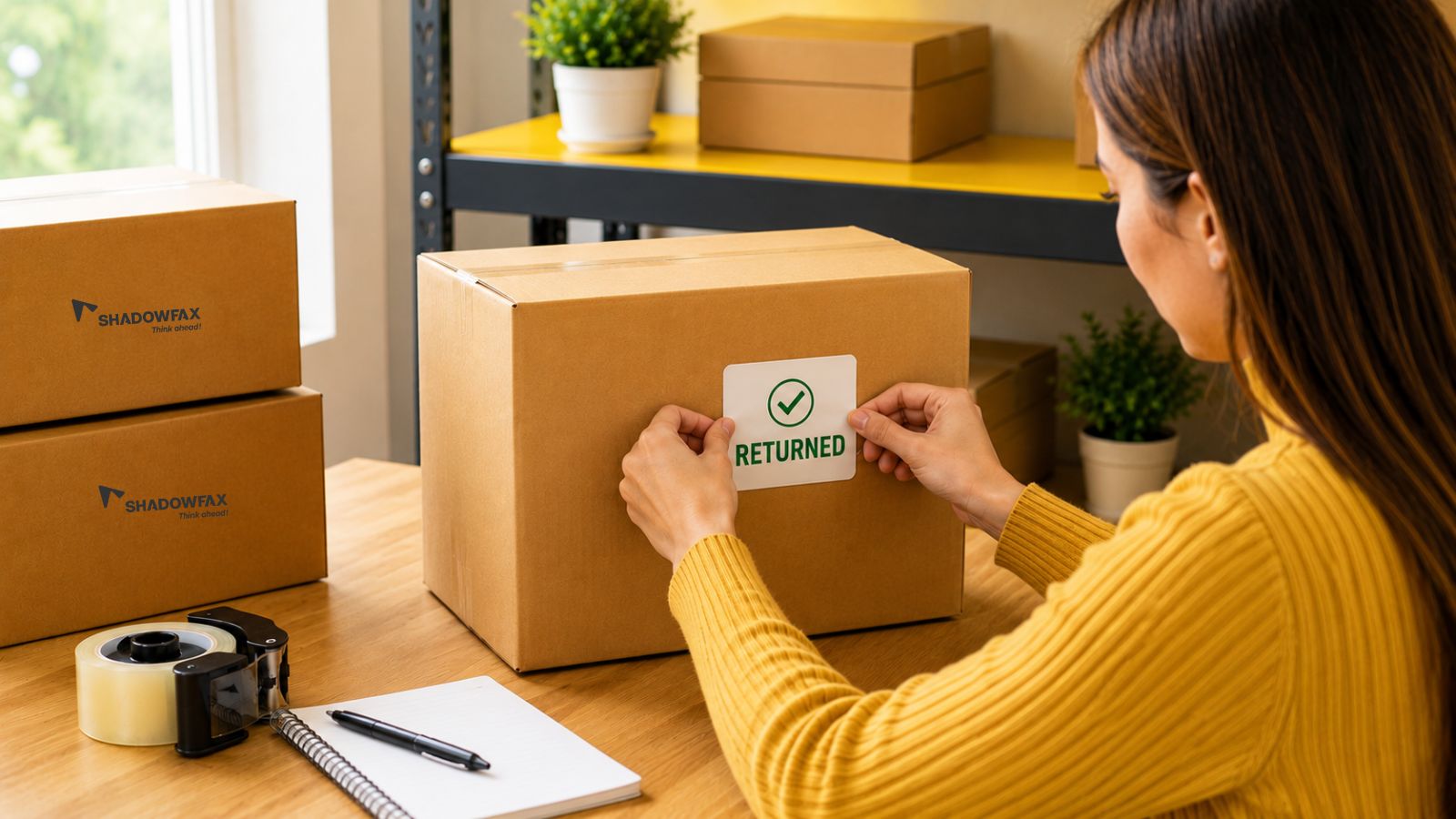


Return to Origin (RTO) isn't just a logistics challenge- it's one of the biggest profit leaks in ecommerce.
Every order that comes back undelivered represents much more than the cost of reverse shipping. It means paying for forward logistics, reverse pickup, warehouse handling, inventory reconciliation, customer support, and delayed cash flow. In many cases, it also means losing a customer who may never place another order.
For Indian ecommerce businesses, especially those selling fashion, beauty, footwear, electronics, accessories, and other Cash on Delivery (COD)-heavy categories, RTO remains one of the largest operational expenses.
Industry reports estimate that RTO rates in high-COD categories range from 20% to 40%, with even higher rates in certain Tier II and Tier III markets, depending on customer behavior, address quality, and delivery conditions.
The encouraging part is that many RTOs are preventable.
Most failed deliveries don't happen randomly. They leave signals long before a shipment reaches the customer's doorstep:
Artificial Intelligence helps businesses identify these signals before dispatch, allowing logistics teams to prevent failures instead of simply reacting after they occur.
That's where intelligent logistics platforms like Shadowfax 360 make the difference.
Traditionally, logistics systems are designed to move shipments efficiently after an order is placed.
Once an order enters the fulfillment pipeline, it is allocated to a courier partner, assigned a delivery route, and dispatched.
The problem?
Most logistics platforms only begin investigating delivery issues after the first delivery attempt fails.
By then, the shipment has already incurred transportation costs, and the business has entered a reactive cycle of Non-Delivery Reports (NDRs), customer follow-ups, and potential returns.
In reality, the most important decisions happen much earlier.
Questions like:
These decisions can significantly influence delivery success. AI enables businesses to answer these questions before dispatch.
Across the logistics industry, AI is rapidly shifting from an operational enhancement to a strategic decision-making tool.
In 2026, logistics technology company FarEye introduced its AI Dispatcher, PILOT, to automate dispatch planning, optimize routing, improve exception handling, and accelerate logistics workflows. While the announcement focuses on operational efficiency rather than RTO specifically, it reflects a broader industry movement toward predictive logistics, using AI to make smarter delivery decisions before problems occur.
This same predictive approach is increasingly being adopted across ecommerce logistics to improve first-attempt delivery success, reduce delivery exceptions, and ultimately lower Return to Origin rates.
The future of logistics isn't simply moving packages faster; it's making better decisions before the shipment even leaves the warehouse.
One of AI's biggest advantages is identifying high-risk shipments before they enter the delivery network.
Rather than treating every order equally, AI analyzes multiple data points such as:
By combining these signals, AI can identify shipments that have a higher probability of delivery failure.
Through Shadowfax 360's AI-powered risk scoring, businesses can proactively review potentially risky shipments before dispatch.
Instead of sending every order through the same workflow, operations teams can choose to:
This proactive approach reduces avoidable delivery failures while improving overall delivery efficiency.
Not every courier performs equally across every geography. Performance can vary significantly depending on:
Static courier allocation rules often overlook these variables.
Shadowfax 360 uses AI-powered courier allocation to intelligently assign shipments based on multiple performance factors rather than fixed routing rules.
The platform evaluates variables such as:
By matching each shipment with the most suitable logistics partner, businesses can improve first-attempt delivery success while reducing the likelihood of RTO.
Even with the best planning, delivery exceptions can still occur.
The difference lies in how quickly businesses respond.
Traditionally, Non-Delivery Reports (NDRs) require manual review before the next action is taken.
This often results in delays that increase the chances of shipments eventually returning to the warehouse.
Shadowfax 360 automates the NDR workflow by helping businesses take faster action based on the delivery exception.
Depending on the reason for failure, businesses can quickly:
By reducing manual intervention and accelerating exception handling, businesses have a better opportunity to recover deliveries before they become RTOs.
Many failed deliveries occur simply because customers are unaware of when their order will arrive.
Missed calls, unavailable recipients, and incorrect delivery timing often contribute to unnecessary RTOs.
Keeping customers informed throughout the delivery journey significantly improves first-attempt delivery success.
Shadowfax 360 provides:
When customers know exactly when to expect their shipment, they are more likely to be available to receive it, reducing missed deliveries and improving the overall customer experience.
No technology can eliminate Return to Origin.
Customer refusals, inaccurate addresses, and unforeseen delivery challenges will always exist.
However, AI changes the equation by identifying preventable risks before they become costly failures.
Instead of reacting after an order has already failed, businesses can intervene earlier, improve delivery planning, and increase the likelihood of successful first-attempt deliveries.
For growing ecommerce brands, this translates into:
At Shadowfax 360, we believe reducing RTO starts long before a delivery attempt.
Our platform combines:
Together, these capabilities help ecommerce businesses make smarter logistics decisions throughout the fulfillment journey.
Rather than treating RTO as an unavoidable cost of doing business, businesses can use data and AI to identify preventable risks, improve operational efficiency, and create a better delivery experience for their customers.
As ecommerce continues to scale across India, the brands that succeed will be those that move beyond reactive logistics and embrace predictive, AI-driven fulfillment.
If reducing RTO, improving first-attempt delivery success, and optimizing logistics costs are priorities for your business, Shadowfax 360 provides the technology to help you achieve them.
Return to Origin (RTO) occurs when an order cannot be delivered and is returned to the seller. Common reasons include incorrect addresses, customer unavailability, COD refusal, delivery delays, or serviceability issues.
AI analyzes historical delivery data, customer behavior, pin code performance, payment methods, and shipment characteristics to identify high-risk orders before dispatch. This enables businesses to take preventive actions that improve delivery success.
Beyond courier aggregation, Shadowfax 360 combines AI-powered shipment risk scoring, intelligent courier allocation, automated NDR management, real-time tracking, and customer notifications to help businesses proactively reduce delivery failures.
A successful first delivery attempt reduces transportation costs, minimizes reverse logistics, improves customer satisfaction, and significantly lowers the chances of an order becoming an RTO.
No. Some returns are unavoidable due to customer preferences or unforeseen circumstances. However, AI helps reduce preventable RTOs by enabling better decision-making before and during delivery.
Businesses handling high shipment volumes, operating in multiple regions, or managing large numbers of Cash on Delivery orders, such as fashion, beauty, electronics, lifestyle, and D2C brands, can benefit significantly from AI-powered logistics optimization.
Hash Tags :
#shadowfax #shadowfax360 #RTO #returntoorigin #ecommercelogistics #sf360 #returnparcel #reducerto #ecommercebusiness
Related Blogs