 Back
Back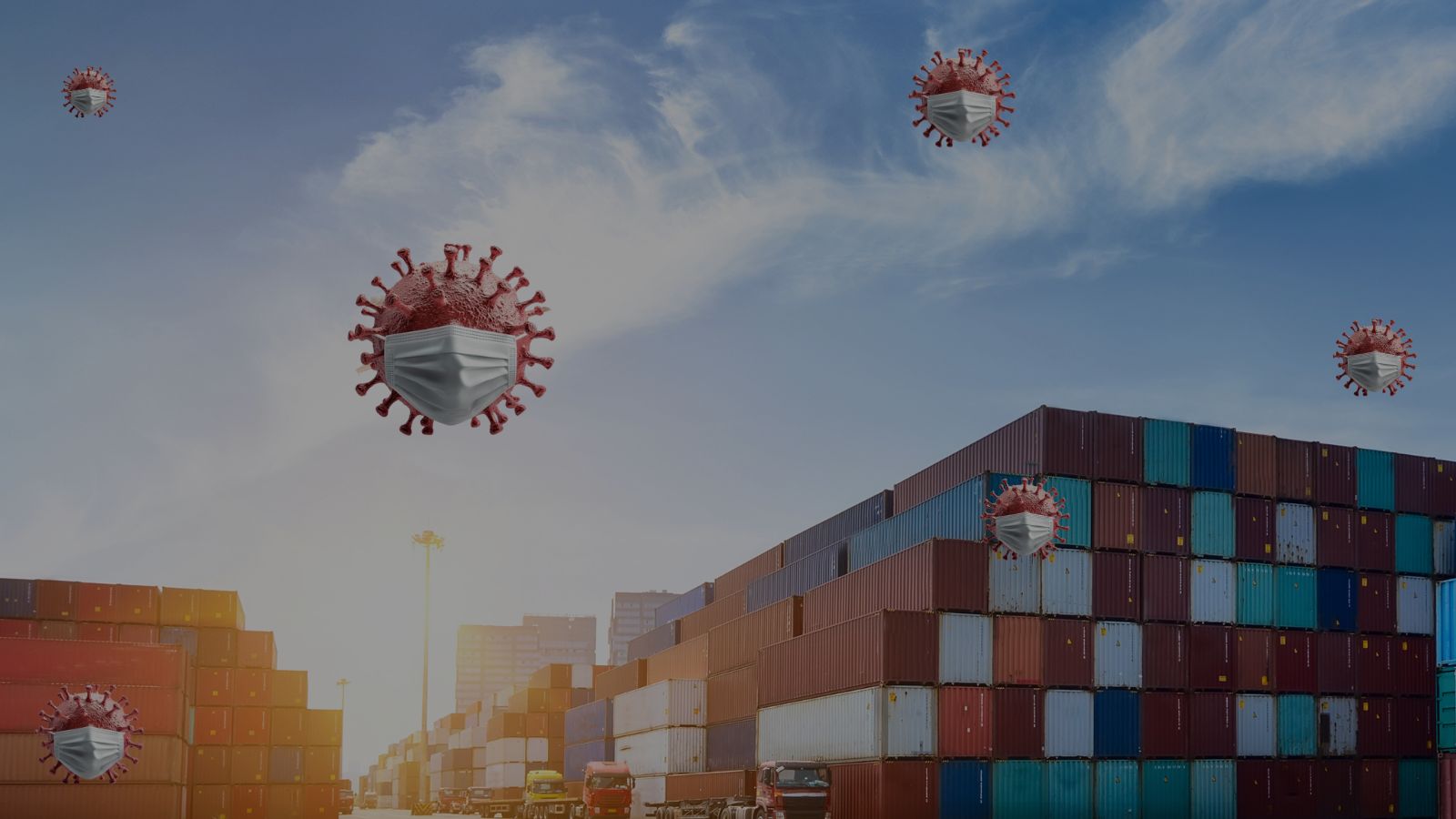


In the logistics industry, there's a simple truth: missing delivery dates isn't just bad for business, it's business suicide. When global disruptions like pandemics strike, your ability to deliver on time and safely becomes your competitive edge.
Supply chain professionals face unprecedented pressure during health crises. You must maintain delivery speeds, comply with safety protocols, and manage operational bottlenecks all at once. The challenge is real, but solutions exist. Here are nine proven strategies Shadowfax has tested with logistics providers nationwide to maintain reliable deliveries during disruptions.
The virus spreads through shared surfaces. Your proof-of-delivery process, paperwork, and check-in procedures create multiple touchpoints where transmission can occur. By making these processes contactless, you reduce contamination risk while simultaneously improving operational efficiency.
During disruptions, visibility is survival. When you can't see where inventory is or when deliveries will arrive, you can't prevent delays. Real-time solutions like Estimated Time of Arrivals (ETAs), load tracking, and facility monitoring give you the data needed to make decisions instead of guessing.
Real-time data reveals hidden bottlenecks: dock congestion, driver shortages, facility capacity issues, or unexplained delays. With this visibility, you can reposition assets, negotiate capacity with partners, or adjust delivery windows before customers know about problems. This prevents the costly disruptions that damage your reputation and lose business.
Start with a single dashboard showing all in-transit shipments, expected arrivals, and alert triggers for delays over 30 minutes. This one tool often reveals more operational waste than six months of traditional meetings.
Private fleet operators face a paradox: some have excess capacity while others face shortages. This inefficiency kills profitability. Route optimization software analyzes your current capacity, demand patterns, and delivery requirements to recommend adjustments. The result: fewer miles driven, faster delivery times, and higher asset utilization.
Data-driven route planning isn’t just about efficiency. It allows you to develop partnership strategies with capacity providers, negotiate better rates based on volume predictability, and scale operations up or down based on real demand data rather than reactive firefighting.
Many logistics providers find that one week of optimized routing reveals $10,000+ in monthly savings through reduced fuel, fewer vehicles needed, and improved driver utilization.
When traditional carrier capacity dries up, partnerships become critical. Freight brokers who maintain strong relationships with multiple carriers can access capacity that spot-market players cannot. During disruptions, these relationships matter more than low unit costs.
Build your career network before you need it. Establish regular communication with trusted partners, offer consistent volume, and be transparent about your needs. Partners who know you provide volume and treat them fairly will prioritize your loads when capacity is tight.
Additionally, leverage public relations with customers. Share your capacity strategies, safety protocols, and operational reliability publicly. Customers choose partners they trust to deliver during uncertain times, and that trust is earned through transparent communication about how you operate.
Regulations change overnight during disruptions. Your current system might be non-compliant with new safety mandates. Don’t wait for perfect solutions. Audit what you have, identify gaps, and plug them with flexible, dynamic systems that can adapt as rules evolve.
Avoid traditional IT implementations. Long-term software integrations take months to deploy. Instead, adopt cloud-based, flexible solutions that you can turn on and off without technical overhead. You need solutions that change as fast as regulations do.
Create a simple compliance checklist: What do you currently do? What do regulations require? What quick-fix tools can fill the gap within 48 hours? This rapid-deployment mindset has become essential in volatile environments.
Your team is your frontline. Drivers interact with customers daily, and their safety practices directly reflect on your company. Implement mandatory training on hygiene protocols, safe handling procedures, and health screening. When customers see well-trained, safety-conscious drivers, it builds confidence in your operation.
Training also protects your bottom line. Sick drivers create service failures and spread illness through your fleet. Proactive health screening and wellness programs reduce absenteeism and maintain consistent delivery capacity. This is an investment that pays for itself through reliability.
Document all training and compliance. When clients ask about safety measures, you have proof that your team is trained and compliant with regulations.
Congested docks create bottlenecks and increase contamination risk. Implement clear facility protocols: reduced occupancy limits, staggered arrival times, separate entry/exit points, and frequent cleaning schedules. These measures reduce facility congestion while maintaining smooth operations.
Work with your dock teams to streamline inbound and outbound processes. Reduce unnecessary handling and cross-contamination through clear signage, marked paths, and minimal contact zones. When customers see that your facility is well-managed and safe, they trust you with their shipments.
Measure dock performance metrics: average processing time per shipment, facility occupancy rates, and incidents. This data helps you identify whether facility improvements are actually working.
Silence breeds doubt. During disruptions, customers worry about delivery reliability and safety. Proactive communication reassures them. Share your safety protocols, expected delivery timeframes, and contingency plans through email, SMS, or customer portals.
When delays happen, communicate immediately. Tell customers what happened, when they can expect delivery, and what you're doing to prevent similar issues. Customers forgive delays when you're honest, they leave you when you disappear. Companies that communicate transparently during crises build loyalty that lasts beyond the disruption.
Use this opportunity to position yourself as a reliable, transparent partner. Customers remember which logistics providers stayed in touch and kept them informed during tough times.
One backup supplier isn't enough. Map your critical dependencies: carrier capacity, fuel supply, staffing, sorting facilities, and technology systems. For each critical dependency, identify at least two alternatives. When your primary option fails, you have a ready Plan B.
Test your contingency plans before you need them. Run quarterly simulations where you temporarily switch to backup carriers or processes. These dry runs reveal hidden problems and let you fix them without customer impact. Companies with tested contingency plans maintain service 20-30% longer than those without them.
Document everything. When a disruption hits, and you activate contingency plans, your team needs clear instructions, not guesswork. Written procedures ensure consistency and speed of execution.
Global disruptions test logistics companies, but they also create opportunities. Providers who adapt fastest capture market share from those still using outdated methods. These nine strategies aren't temporary band-aids; they're permanent improvements that make your business more resilient, profitable, and competitive.
Start with the low-hanging fruit: eliminate signature capture this month, implement GPS check-in automation next month. Build momentum with quick wins. As you see results, invest in broader systems like real-time tracking and route optimization.
If this transition feels overwhelming, you're not alone. Shadowfax specializes in helping logistics providers implement exactly these changes. Our team understands your constraints and can guide you through deployment, training, and optimization.
Ready to transform your operations? Shadowfax's team of logistics specialists has helped hundreds of providers maintain or exceed delivery targets during disruptions. Contact us today for a free consultation.
Hash Tags :
#shadowfax #supplychain #logisticservice #covid19 #omnichannel
Related Blogs